A good fire should warm the room you are sitting in, not the brick and air above your roofline. That is the core promise of a well-chosen, properly installed fireplace insert. When homeowners tell me their living room feels drafty even with flames dancing in the hearth, I picture an open masonry fireplace doing what it does best: sending as much as 80 to 90 percent of heat up the chimney. The right insert can flip that equation. With the correct unit and a tight installation, you get controlled, directional heat, safer operation, and lower energy bills.
I have installed and serviced hundreds of inserts in every configuration you can imagine, from 1920s Tudor masonry fireplaces to modern townhomes with shallow cavities and tight building envelopes. If you aim to maximize heat output, the choice is not only which fuel to burn. It is a stack of decisions about room size, chimney condition, venting path, controls, and your tolerance for maintenance. This guide walks through those decisions, explains how different fireplace inserts deliver heat, and shares the details that separate a competent setup from an exceptional one.
What an Insert Actually Does
A fireplace insert is essentially a high-efficiency firebox that slides into your existing fireplace opening. It captures heat that would otherwise be lost and pushes it into the room through radiation and, often, with the help of a blower. Modern inserts seat inside a steel surround that covers the old fireplace face, sealing the cavity and reducing drafts. They connect to a dedicated liner that runs up the flue, improving draft and safety.
That liner and the pressure dynamics around it matter as much as the firebox itself. A typical masonry chimney has a big, cold interior. Without a dedicated liner, combustion gases cool and stall, which wastes heat and risks condensation that can damage the chimney. A properly sized stainless liner maintains warm, stable draft and lets the insert run at its design efficiency. Whenever clients ask why their neighbor’s insert throws more heat, I usually find the answer in the venting.
The Three Main Paths: Wood, Gas, and Electric
All inserts aim to turn energy into sensible heat in the room, but they do it differently and with different trade-offs.
Wood-burning inserts
Wood inserts are the champions of raw heat per dollar of fuel if you have access to seasoned hardwood. Modern EPA-certified models burn clean and hot using secondary combustion or catalytic technology. When running correctly, they can deliver 60,000 to 80,000 BTU per hour, enough to heat a whole floor plan in many homes. The heat feels rich and penetrating, thanks to high radiant output through the glass and convection from the jacketed sides.
The catch, of course, is the operator. Maximizing a wood insert’s heat means choosing the right size, feeding it properly seasoned wood at 15 to 20 percent moisture content, and letting it reach operating temperature before damping it down. Too often I see homeowners throttle the air early to stretch burn time, which creates smoky combustion and kills heat output. A good wood insert, run hot, produces a steady wave of radiant warmth that no other fuel quite matches.
Gas fireplace inserts
If you want reliable, controllable heat with minimal fuss, a gas fireplace insert is the workhorse. Gas inserts deliver consistent BTU output, often in the 25,000 to 40,000 BTU range for residential living rooms, with efficiencies commonly ranging from 70 to 85 percent depending on the model and installation. They start instantly, scale output with a thermostat or remote, and vent with a co-linear liner system that improves safety and performance. The best gas fireplace inserts use ceramic glass to radiate heat and a variable-speed blower to push convection heat into the space.
For many families, a gas insert is the most practical way to convert a wasteful decorative fireplace into a dependable heat source. You trade the smell and ritual of wood for the convenience of a button push and the confidence that heat will show up on time.
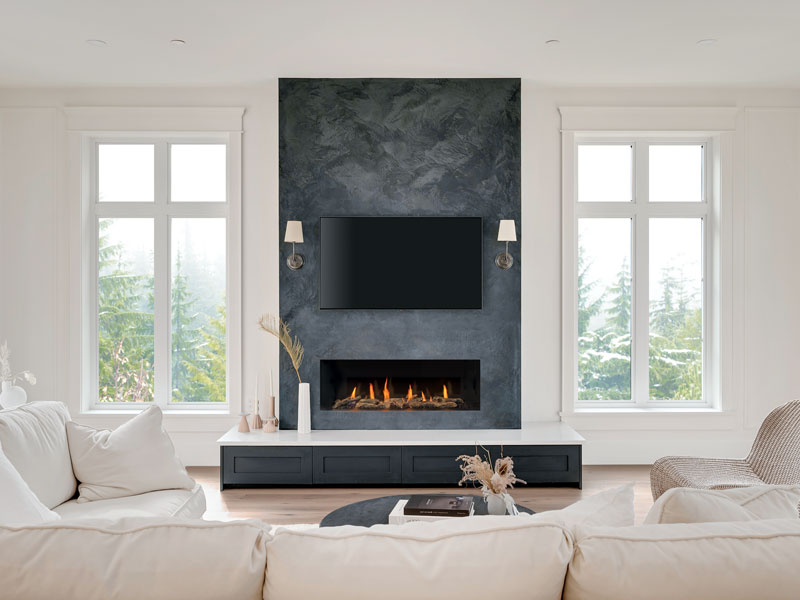
Electric fireplace inserts
An electric fireplace insert sidesteps combustion entirely. It converts electrical energy into heat with nearly 100 percent efficiency at the point of use and uses internal fans to circulate warmth. Most electric fireplace inserts deliver 4,500 to 5,000 BTU per hour on a standard 120-volt circuit, which is perfect for zone heating a sitting area, not for heating an entire home. The advantages are significant: simple installation, no venting, no combustion byproducts, and flexible placement. The flame effect has improved sharply in recent years, and I see more people using electric units in bedrooms or offices where they want atmosphere and a touch of heat without any fuel logistics.
If your goal is maximum whole-room heat with minimal operating cost, electricity rarely wins unless your power rates are unusually low or you pair the unit with solar. If your goal is targeted comfort with easy ownership, electric can be the right call.
Sizing for the Room You Actually Have
Oversizing is the fastest way to sabotage comfort. I see this with wood and gas fireplace inserts especially. The temptation is understandable: pick the biggest unit the opening will accept and expect more heat. In practice, an oversized insert forces you to run at low settings, which reduces efficiency, dirties the glass, and wastes fuel.
Here is the rule of thumb that has held up across hundreds of homes:
- Match BTU output to the room’s heat loss, not the whole house. A typical 300 to 500 square foot living room in a decently insulated home might need 8,000 to 18,000 BTU per hour to feel toasty on a cold evening. Larger great rooms with vaulted ceilings and big window areas may need 20,000 to 35,000 BTU. Drafty older homes demand more. In a 1920s bungalow with original single-pane windows and leaky walls, the same room may need twice the BTU to maintain the same temperature. Climate sets the ceiling. If your winter lows hover around 20 degrees Fahrenheit, aim lower than someone at zero. Heat loss grows as outdoor temperatures drop.
With wood inserts, pick a firebox that cycles comfortably at the burn rate you are willing to maintain. If you want long burn times and minimal tending, a larger firebox with a catalytic system may suit you. If you prefer shorter, hotter fires, a mid-sized non-catalytic unit can outperform a big box running choked down. For gas inserts, ask the installer to model the room’s load and size the unit so you run in the middle of its modulation range during typical evenings.
The Venting and Liner Details That Make or Break Heat
On paper, two inserts can look identical. In the field, a few small installation details can create a big spread in heat output and reliability.
- Stainless steel liner size should match the appliance collar and run continuous to the cap, with no bottlenecks. Reducing from a 6-inch outlet to a 5.5-inch liner to squeeze past a smoke shelf can cripple draft on a wood insert. On gas fireplaces, co-linear liners must maintain clear separation between intake and exhaust to avoid recirculation. Insulate the liner in cold chimneys. An exterior chimney that runs up an outside wall stays cold and can stall draft. Wrapping the liner in insulation or using an insulated flexible liner helps the flue warm quickly, reduces creosote formation for wood, and stabilizes combustion for gas. Seal the damper area with a block-off plate. Too many installs skip a metal block-off plate at the old damper opening. Without it, heated air from the insert’s convection jacket can be pulled into the chimney cavity, wasting heat. A tight plate with insulation on top keeps that warmth in the room. Ensure proper termination and cap height. Wind loading around rooflines matters. A cap that sits in a low-pressure eddy can backpuff smoke or disrupt gas exhaust. A seasoned installer reads the roofline and prevailing winds and chooses the correct cap and height for reliable draft.
These are not glamorous details, but they are the difference between a unit that heats beautifully at low settings and one that only performs when run hot and fast. A thorough fireplace installation includes each of these steps as standard, not as upgrades.
The Role of Blowers and Heat Distribution
Radiant heat is lovely. It warms your skin and the objects in the room. Convection heat does the heavy lifting across distance. Most high-output inserts use a built-in blower or an add-on fan kit to move air across the hot firebox and into the living space. The volume of air matters, but so does the path.
Installers often find hidden opportunities to improve distribution. For example, a shallow hearth cavity with a tall surround can trap hot air unless the surround has relief vents or the installer uses a spacer to create a clear channel for the blower to breathe. In deep hearths, a short trim kit can let hot air recirculate behind the face, starving the room. When a homeowner calls me to say their insert is hot to the touch but the room is not warming up, I start by checking air paths and blower speed.
If your home has open sight lines to adjacent rooms, a single blower can often carry heat further than expected. If doorways or stairwells block flow, a small, quiet fan set on the floor in an adjacent room, pointed toward the stove room, can pull warm air around the corner. It sounds counterintuitive, but pulling cool air toward the heat source does more than trying to push hot air away.
Glass, Logs, and Real-World Heat
People choose inserts with their eyes first, then with their HVAC brain. I do not argue with that, but I do recommend watching how the display and media affect heat. In gas fireplace inserts, ceramic glass radiates much more heat than tempered glass. If you stand in front of a unit and feel a strong wave of warmth, you are likely looking at ceramic. The logs, embers, and liner shape the flame, but they also influence heat transfer. Dense, heat-resistant log sets absorb heat and radiate it slowly, which can be a plus in an open floor plan but can delay the initial warm-up. If you want quick heat on demand, pick a unit with a clear, direct view of the flame and a good radiant panel design.
Electric fireplace inserts use heating elements and fans, so the media and glass type mostly affect aesthetics and noise, not heat output. With wood inserts, the glass stays cleaner and radiates better when you burn seasoned wood hot enough to maintain secondary combustion. A gray haze on the glass is a sign that the burn is too cool or the air settings are too low.
Smarter Controls, Smarter Heating
Modern gas fireplaces and gas fireplace inserts benefit from modulating valves, variable-speed blowers, and thermostatic remotes. Do not underestimate the comfort gains. A unit that can trim from 35,000 down to 17,000 BTU without cycling on and off keeps the room steady and avoids overshoot. Some systems integrate with wall thermostats and learn the room, staging output to maintain a narrow temperature band. On wood inserts, “smart” is the operator, but there are helpful tools: stovetop thermometers, flue probe thermometers, and timers. A quick glance at a magnetic thermometer can tell you whether to open the air a touch or add a split, which keeps the burn in the sweet spot where heat output climbs and creosote stays low.
If you opt for an electric fireplace insert, look for a model with a digital thermostat and multiple heater settings. The difference between a two-stage element and a basic on-off unit is the difference between a comfortable background warmth and a room cycling from too cool to too warm.
Chimney Health Is Heat Health
I often meet homeowners who invest in a fine insert but skip chimney inspections or maintenance, then wonder why performance drifts after the first season. Draft is a living thing. It responds to seasonal changes, liner cleanliness, and even small shifts in house pressure as weather-stripping and bath fans come and go. Routine chimney inspections and cleaning keep the system moving air the way the manufacturer intended.
With wood inserts, a full sweep in late summer reduces the risk of creosote glaze hardening over time. It also sets you up to catch gasket wear and baffle positioning before the heating season. Gas fireplaces need attention as well. Their liners do not collect creosote, but they do collect lint, dust, and the occasional spiderweb that can compromise combustion air or pilot performance. A professional chimney cleaning service or a west inspection chimney sweep in your area should check for liner integrity, cap condition, gas pressure, and combustion quality. A seasoned tech will also spot negative pressure issues that can affect draft, then recommend makeup air strategies or small balancing changes to keep your insert running strong.
Fuel Quality and Handling
If you run wood, you already know the fuel is half the equation. The fastest way to destroy heat output is wet wood. Every percentage point of moisture in your wood consumes energy to boil off. A load that measures 30 percent instead of 18 percent can drop your room heat by what feels like half, because the fire spends its effort evaporating water. Split and stack your wood a year ahead whenever possible. Stack it off the ground with space for airflow, and cover only the top to shed rain. Keep a cheap moisture meter in your kindling box and spot-check a fresh split from the center of a log.
Gas users have a different kind of fuel quality to consider. Natural gas supplies are stable, but if you run propane, tank pressure varies with outdoor temperatures. In a deep cold snap, weak vaporization can starve a high-output gas fireplace if the tank is undersized or nearly empty. Your installer should size the tank and regulator for the fireplace’s maximum draw, and you should keep the tank within the recommended fill band through the coldest weeks.
Electric users only need a dedicated circuit that matches the unit’s amperage. If your breaker trips when the heater and a vacuum run on the same circuit, have an electrician move the insert to its own breaker. A steady electrical supply avoids short-cycling and protects the element and controls.
Installation That Respects the House
Every home has quirks. I have installed gas fireplaces in brick row homes where the only viable vent route was a short rear exit through a century-old wall. I have set wood inserts in cathedral spaces with 30 feet of exterior chimney that needed heavy insulation and a carefully chosen cap to tame the wind. A good fireplace installation makes peace with the house, not war. That means reading the structure, anticipating service access, and planning the surround so the unit can be pulled for maintenance without tearing the whole wall apart.
You will also make small choices that affect daily comfort. On wood inserts, choose a handle style and location that you can operate with a glove during a hot burn. On gas, think about remote storage and battery backup for power outages. On electric fireplace inserts, keep the cord path both hidden and accessible. I have been called out to fix rattles that turned out to be a loose surround because the original installer had no way to tighten the fasteners without full removal.
Efficiency Numbers and What They Mean in Real Rooms
Manufacturers’ efficiency ratings are helpful, but they are not the whole story. For wood inserts, EPA ratings focus on emissions and standard test burn rates, not how you will run the unit on a windy January night. A small non-catalytic unit might test beautifully at a particular load but run dirtier and cooler when throttled for long burns. Catalytic units often reward disciplined operators who want low-and-slow heat all day.
Gas insert efficiency is typically quoted as AFUE or steady-state efficiency. Pay attention to the test method. A unit with 85 percent steady-state efficiency can still feel cooler than a 75 percent unit if the latter has stronger radiation through ceramic glass and you stand near it. If your goal is comfort where you sit and read, that radiant component is worth more than the nameplate suggests.
Electric units are simple at the point of use. They turn watts into heat with almost no loss in the room. The limiting factor is how many watts you can safely feed them on a given circuit. If you translate 1,500 watts to BTU, you get roughly 5,100 BTU per hour. That is the ceiling unless you move to a 240-volt unit, which is less common in insert formats.
Maintenance Rhythm That Preserves Heat
Heat output declines when systems drift out of tune. Seasonal care makes a tangible difference.
- Wood inserts thrive with clean baffles, tight door gaskets, and clear secondary burn tubes. If the door dollar-bill test slips easily anywhere along the gasket, replace it. Check and clear the air wash path along the glass, which carries air that helps keep the glass clean and hot. Gas fireplaces benefit from annual service: clean the burner, check the pilot or hot-surface igniter, verify manifold pressure, vacuum the blower, and wipe down ceramic glass with the correct cleaner. A faint sulfur smell or lazy flame often points to dust or an air shutter out of adjustment. Electric fireplace inserts see the least wear, but dust-clogged intakes reduce airflow and heat. A quick vacuum of the intake and fan area once or twice a season keeps output steady and noise low.
Tie these tasks to your chimney inspections. Most homeowners remember to schedule maintenance when the first cold front hits. Beat the rush by booking in late summer. A reliable chimney cleaning service that also performs chimney inspections can handle everything from creosote removal to verifying liner integrity and cap condition. If you have a preferred local provider, whether it is a west inspection chimney sweep or another experienced outfit, consistency helps. They learn your system, spot trends, and tune performance year over year.
When Inserts Disappoint and How to Fix It
I have walked into plenty of homes where the insert looked right but delivered poor heat. The fix is usually one of a handful of things:
- The insert is oversized and always runs choked down. Solution: change operating habits, add a flue thermometer, or in some cases, downsize the unit. The chimney is cold and exterior, with an uninsulated liner. Solution: insulate the liner and add a proper block-off plate. Expect a noticeable boost in draft and heat. The blower is starved for air or the surround traps heat. Solution: adjust the surround spacing, add relief vents, or reposition the unit for a clear convection path. The fuel is poor. Solution: season wood longer or switch suppliers; for propane, address tank size and regulator settings. Pressure imbalances in the house compete with the insert. Tight homes with strong kitchen hoods or multiple bath fans can pull against the chimney. Solution: crack a nearby window slightly during operation to test, then consider a dedicated makeup air strategy if needed.
Each of these corrections has turned lukewarm systems into rooms people fight to sit in.
Budgeting: Where to Spend for Maximum Heat
If you have a fixed budget and care most about heat, spend first on the parts you cannot upgrade later. I would allocate money in this order:
- Proper venting and liner insulation. This is the spine of performance and safety. Correctly sized insert with ceramic glass and a good blower. Features can wait; core heat cannot. Professional fireplace installation that includes a block-off plate, sealed surround, and tested draft. Controls and aesthetics. Nice to have, but less critical than the core build. Surround materials and mantels. Beautiful finishes are satisfying, but they do not add heat. If money is tight, keep finishes modest and invest in the hidden parts that deliver warmth.
Gas vs. Electric vs. Wood: Picking the Right Tool
If you want steady, controllable heat with the least hassle and already have a gas line or are willing to run one, a gas fireplace insert is usually the best balance. They provide enough BTU for most rooms, run clean, and need modest annual service.
If you value independence and the highest potential output per dollar of fuel, and you enjoy the ritual of tending a fire, a wood insert can be a powerhouse. Pair it with proper chimney care and seasoned wood, and you will enjoy a depth of warmth that is hard to replicate.
If you need simple installation, have venting constraints, or want supplemental heat in a bedroom or office with minimal maintenance, an electric fireplace insert does the job without combustion or venting. It will not heat the whole house, but it will take the edge off a cool space and deliver the look you want.
Working With Pros Who Sweat the Details
You can buy a decent insert at a big-box store, but a seasoned installer turns decent into excellent. Ask pointed questions. What liner size and insulation are you planning? Are you sealing the damper with a block-off plate? How will you ensure adequate combustion air? Where will the blower draw and discharge air? What is the plan for service access five years from now? Good answers come easily from people who https://sergiomgkx470.cavandoragh.org/fireplace-installation-costs-budgeting-for-parts-and-labor do this work every week.
Book a site visit before committing. A reputable provider will evaluate the chimney, run through local code requirements, and present a clear plan. They should include chimney inspections as part of the estimate and, if you have an older flue, may recommend repair or relining even before the fireplace installation proceeds. That is not upselling. It is aligning the system for safe, effective heat. If you already work with a trusted west inspection chimney sweep or a local chimney cleaning service, loop them in early. The best projects happen when installers and sweep inspectors collaborate.
Final Checks That Protect Your Investment
Before your installer calls the job complete, go through a quick commissioning routine. Fire the unit, let it reach operating temperature, and take notes.
- With a wood insert, confirm secondary combustion kicks in and that the glass stays relatively clear. Check for smoke spillage when you open the door halfway through a burn. Spillage hints at weak draft or pressure issues. Verify the blower ramps smoothly and that the surround vents feel hot, not scorching. With a gas fireplace insert, watch the flame pattern. It should be lively, with clear blue at the base and steady yellow above, not lazy or lifting. Listen to the blower for rattles. Confirm the remote or thermostat responds predictably and that the unit can modulate down without flicker. With an electric fireplace insert, check that the heater warms the room over 20 to 30 minutes and that the flame effect remains quiet at all brightness levels. Watch for any vibration and confirm the circuit holds under load.
Capture serial numbers, keep your manuals, and put a reminder on your calendar for maintenance before the next heating season. The return on an insert comes from years of steady, comfortable evenings.
The right fireplace insert turns a symbolic fire into a practical heat source. Match fuel to lifestyle, size to the room, and pay attention to the unglamorous pieces of venting and sealing. Whether you choose a gas fireplace, a gas fireplace insert, an electric fireplace insert, or a traditional wood-burning fireplace insert, the path to maximum heat is the same: good design, careful installation, and routine care. When these align, the room warms quickly, the thermostat works less, and the fire you see matches the comfort you feel.